
Pre-Ramadan Tips for Nursing Moms
Many people are challenged by the first few days of Ramadan. In addition to waking early for suhoor, unsatisfied hunger and thirst can be quite discomforting. The transition from Shaban to fasting consistently in Ramadan, can be eased if a few trial days are fasted before the start of Ramadan. This is especially true for a breastfeeding mother, who may experience more thirst (and hunger) than the average person.
Prepare yourself by fasting one or two days a week and becoming familiar with how it will feel. This will also help prevent your milk supply from drastically changing or decreasing. If you fear dehydration, set a schedule to drink extra fluids during the night and see if it works for you. A breastfeeding woman needs 13-16 cups of fluid daily. Avoid caffeinated drinks such as soda and tea that may contribute to dehydration. Try different combinations and amounts of food to see what makes you most comfortable during the day.
Breastmilk production burns about 200-500 calories a day. Depending on your activity level, you may need to consume 2,000 to 2,700 calories per day. However, these demands may change while fasting because the body’s complex metabolic systems adapt to fasting, lowering caloric needs to maintain body function. For this reason, it is unnecessary to overeat at suhoor and iftar. Focus on quality of food and not quantity.
Keep a simple food and fluid log/diary to keep track of your progress and to develop a plan for Ramadan. Most importantly, make dua that Allah (swt) gives you the strength to endure fasting despite the demands of your body while breastfeeding. Also, do not feel like this is a competition, if you have fear for the health of yourself, or your baby, it is permissible to make-up the fast at another time.
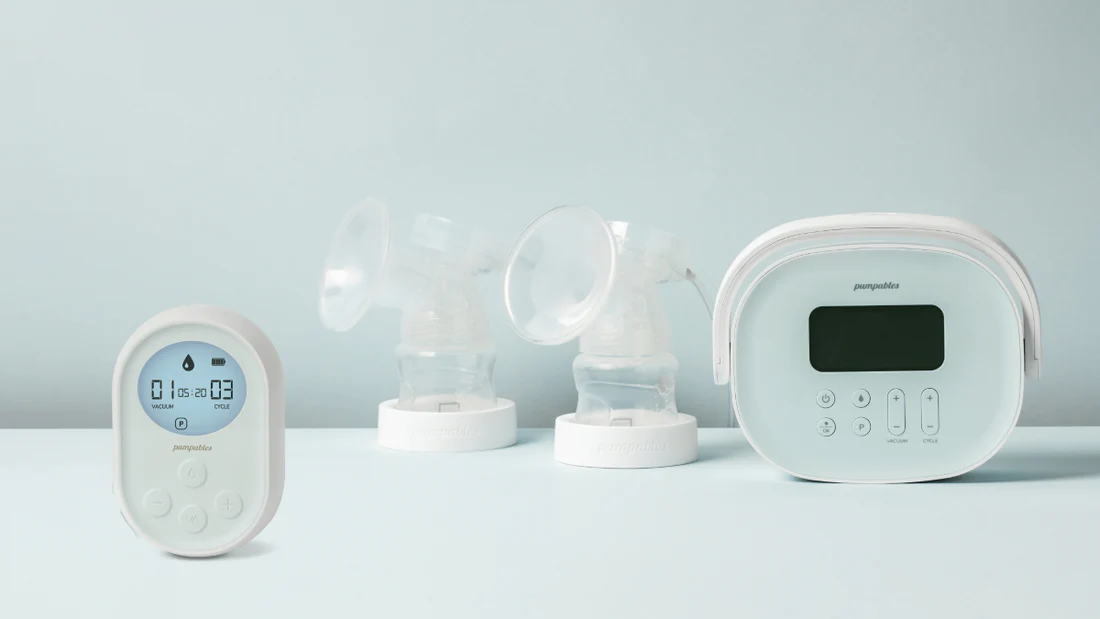
16 Tips for fasting and pumping
- Make dua, breastfeeding, pumping and fasting can be challenging.
- Be consistent. Pumping may help to maintain your milk supply.
- Make a routine for pumping at work or home.
- Pump at night or in the early morning. Pumping between iftar and suhoor will ensure you get good output.
- If you pump during the day and notice a dip in your supply, set aside time to pump after you have regained your energy from eating and drinking.
- Nurse on demand when you are with your child.
- Avoid skipping nursing or pumping sessions, even if your supply looks like it’s lowering.
- Get plenty of rest.
- Take a supplement to increase your milk supply.
- Use a double pump instead of a single. Double pumping yields more milk.
- Re-hydrate overnight. Make sure you are drinking enough fluids when you are not fasting.
- Avoid overeating. Eat a well-balanced diet with many fruits and vegetables.
- Prepare and pack your supplies (storage bags, breast pads, clean bottles, cool packs etc.) at night or before suhoor.
Author: Latonia